
Empowering Women in South Africa’s Circular Economy and Creating a Ripple Effect of Lasting Change
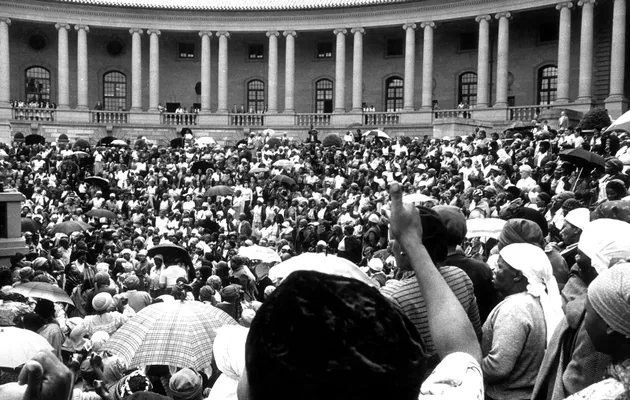
Every year, South Africa marks Women’s Month in August, anchored by Women’s Day on 9 August. The date commemorates 1956, when 20,000 women marched on the Union Buildings in Pretoria to protest the extension of apartheid pass laws to women, chanting:
“Wathint’ abafazi, wathint’ imbokodo” – “you strike a woman, you strike a rock.”
Nearly 70 years on, South Africa still uses the month to ask what that courage built. The answer is mostly economic: women are not a footnote to this country’s economy; they are one of its most powerful multipliers. Give one woman a real opportunity, and she rarely keeps it to herself. She turns around and gives that same chance to another, and then another, until a single opportunity has multiplied into a household lifted, a community strengthened, an economy quietly rebuilt from the ground up.
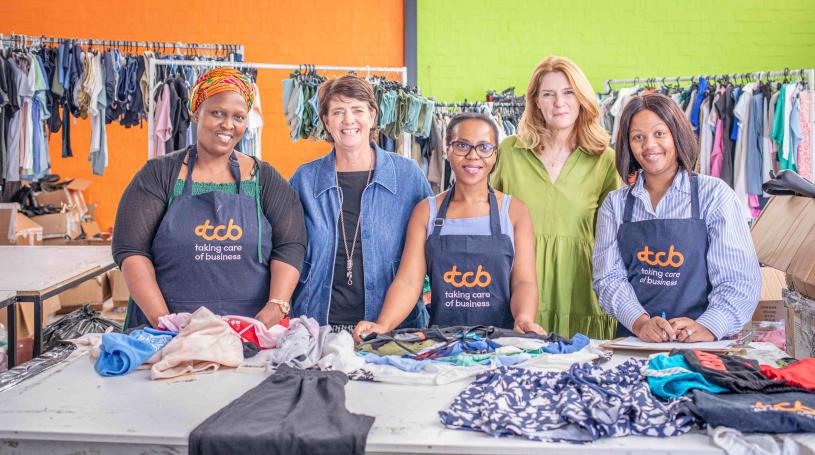
An organisation successfully implementing the multiplier effect into practice is Taking Care of Business (TCB). In 2010, Tracey Chambers and Tracey Gilmore started with a donated garage space in Salt River, Cape Town, and a stock donation from Woolworths, recruiting unemployed mothers to learn to buy and sell clothing.
The founding insight was simple: families sit at the centre of South Africa’s economy, and mothers sit at the centre of families. If you want to interrupt a cycle of poverty that has run for generations, you start with the woman holding the household together, and you give her the tools to hold it together on her own terms. Turning that insight into a national organisation would take more than good intentions, though; it would take patient capital willing to bet on mothers rather than balance sheets.
Fifteen years, a devastating fire, and a global pandemic later, that idea has become four branches, and a track record that speaks for itself. Last year, TCB supported just over a thousand South Africans into self-employment, 88% of them women, and nearly half of those women over 40 – a group the formal economy routinely writes off as too old to start again.
South Africa spends a great deal of energy, rightly, on its youth: on getting the next generation into work. TCB doesn’t compete with that focus, it fills the gap beside it, backing the women who have already spent decades holding families and communities together, and who the economy often assumes have missed their window. Three in four of the women that arrive at TCB’s doors are already supporting four or more dependents.
Only a third are earning above the poverty line when they join.
Yet two years later, most of them have savings for the first time in their lives.
TCB gets them there in a deliberate order: business classes and technical training build practical skills; financial coaching and mentoring builds discipline; and counselling, the piece often least talked about, becomes a priority. TCB refuses to treat poverty as a skills gap alone. It treats it as something that can only be undone by rebuilding a person’s sense of what she’s capable of, and only then handing her the practical means to prove it to herself.
TCB works because it isn’t a hand-out. Every stage of the programme, from stock to equipment, is structured as a loan or an investment rather than a donation, so both the woman coming through it and the organisation backing her, look at her as small business owner she is – not a charity case in need. TCB didn’t need to build it that way; a grant would have been simpler.
But that mutual investment is the point: the goal was never to give a woman a business, it was to provide access, opportunity and walk alongside her as she built one herself. TCB’s reward is a woman standing on her own feet in her own community.
It’s worth being honest, too, about the ceiling. TCB’s businesses are mostly informal, often precarious, and built on donated stock rather than owned capital. Only a few move on towards formal registration and expansion.
Zinhle Khanyile, who came through the Durban branch, puts it plainly: “It wasn’t easy, but it was worth it.”
Not everyone who starts the two-year programme finishes it, and the businesses that emerge from it remain, for the most part, small and vulnerable to the shocks that sink informal traders everywhere (a bad month of stock, illness, or theft). TCB doesn’t claim to be building empires. It claims to be building a floor under families who could use some solid ground to build from.
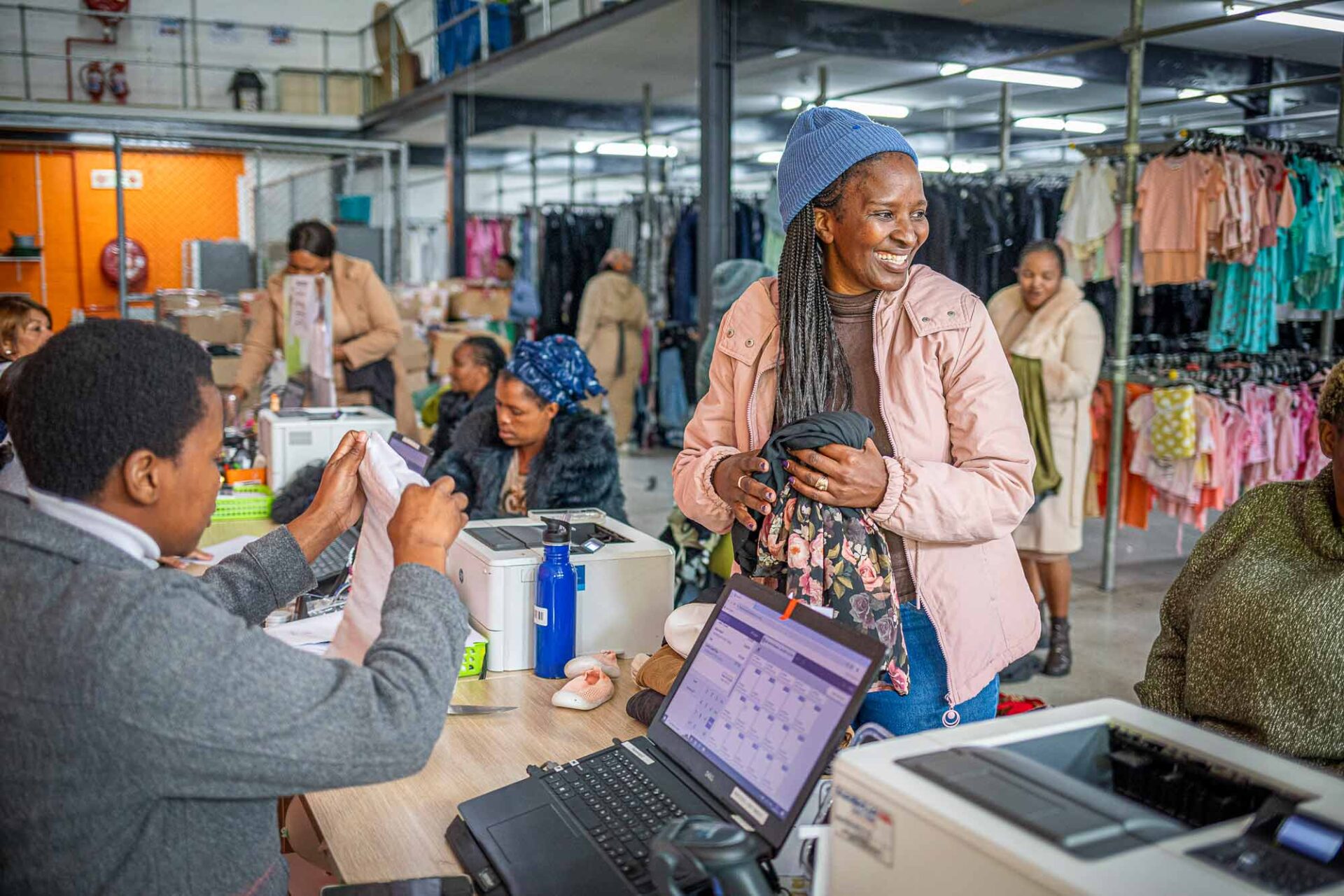
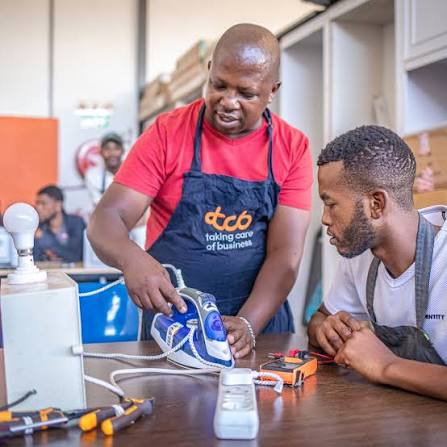
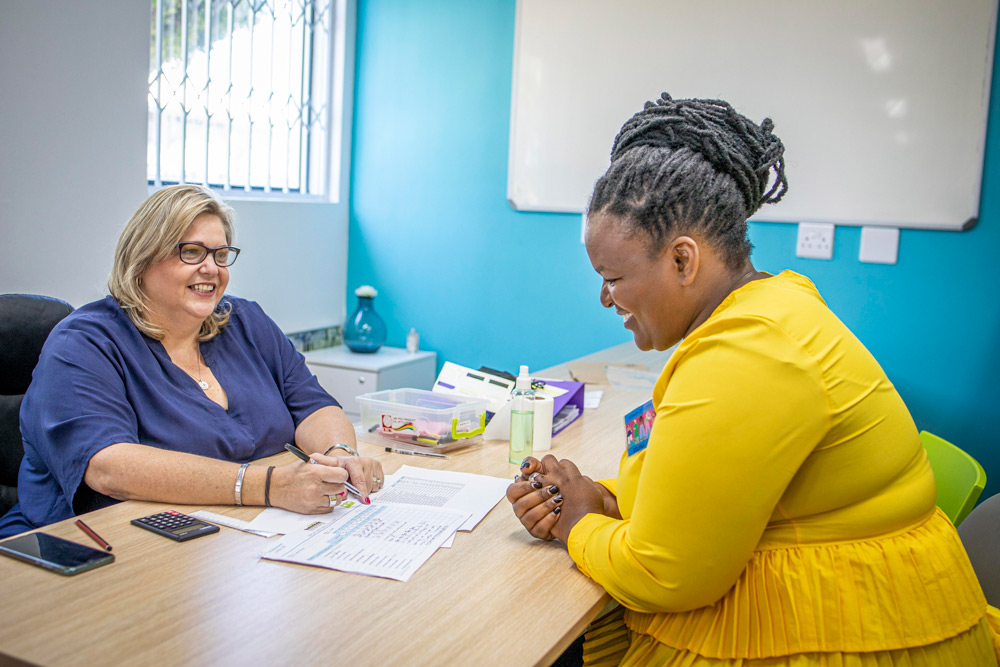
The tools TCB hands over aren’t abstract, and they didn’t start out as a plan for four programmes; they started as one idea solving two problems at once.
Resell, TCB’s flagship and still its only women-only programme, takes excess clothing and merchandise donated by South Africa’s biggest retailers, stock that would otherwise go to landfill, and puts it directly into the hands of mothers trained to trade it.
This first success became a template. Repair followed suit, aimed at training unemployed South Africans, mostly fathers, to fix small and large appliances, extending the life of products that would otherwise become e-waste, and giving men in the same communities a purpose and a place to learn.
Thirdly, Remake works with seamstresses. They nurture their talents and add to their sewing skills, turning donated fabric offcuts into micro-manufacturing businesses, some of which now produce garments under license for fashion brands.
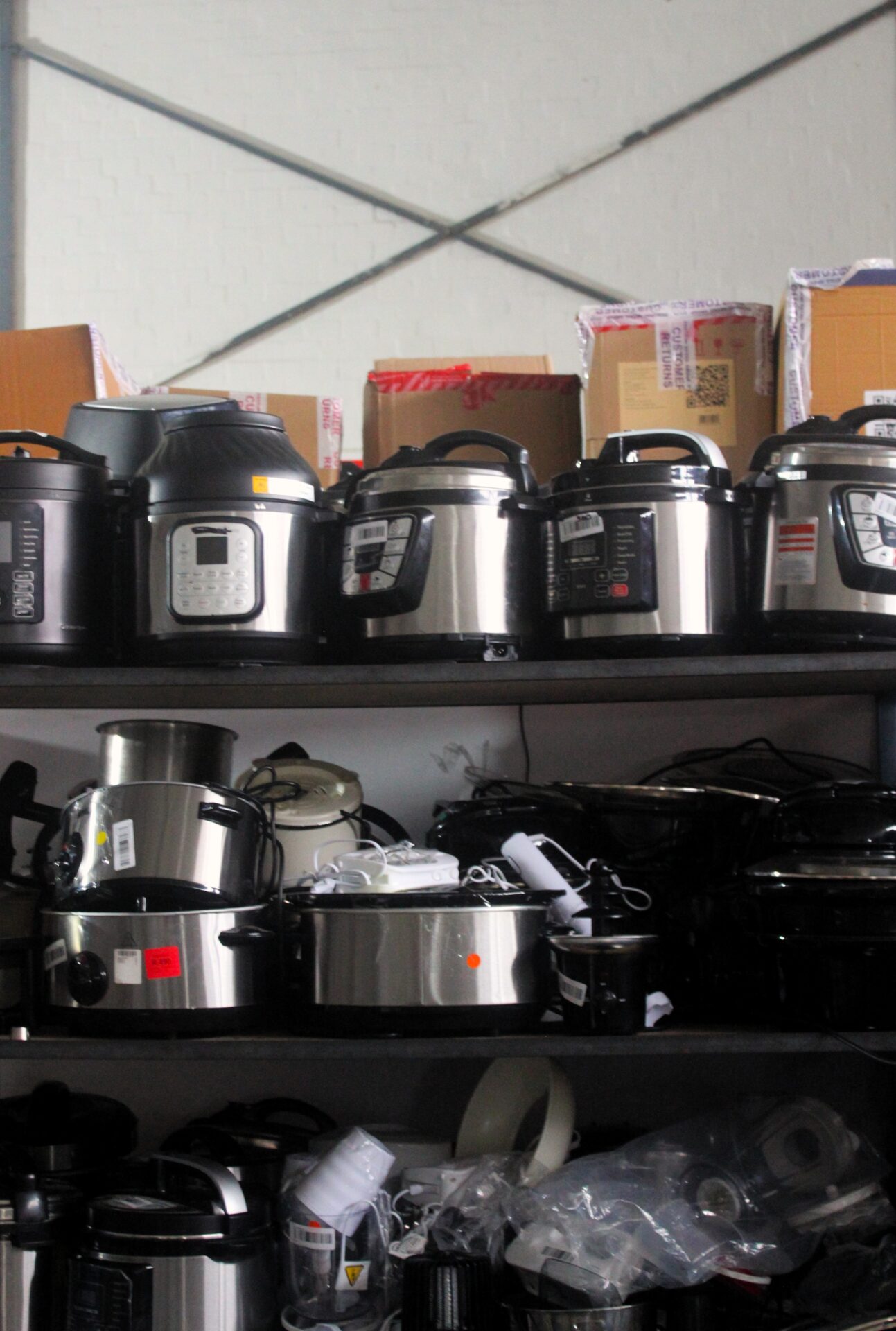
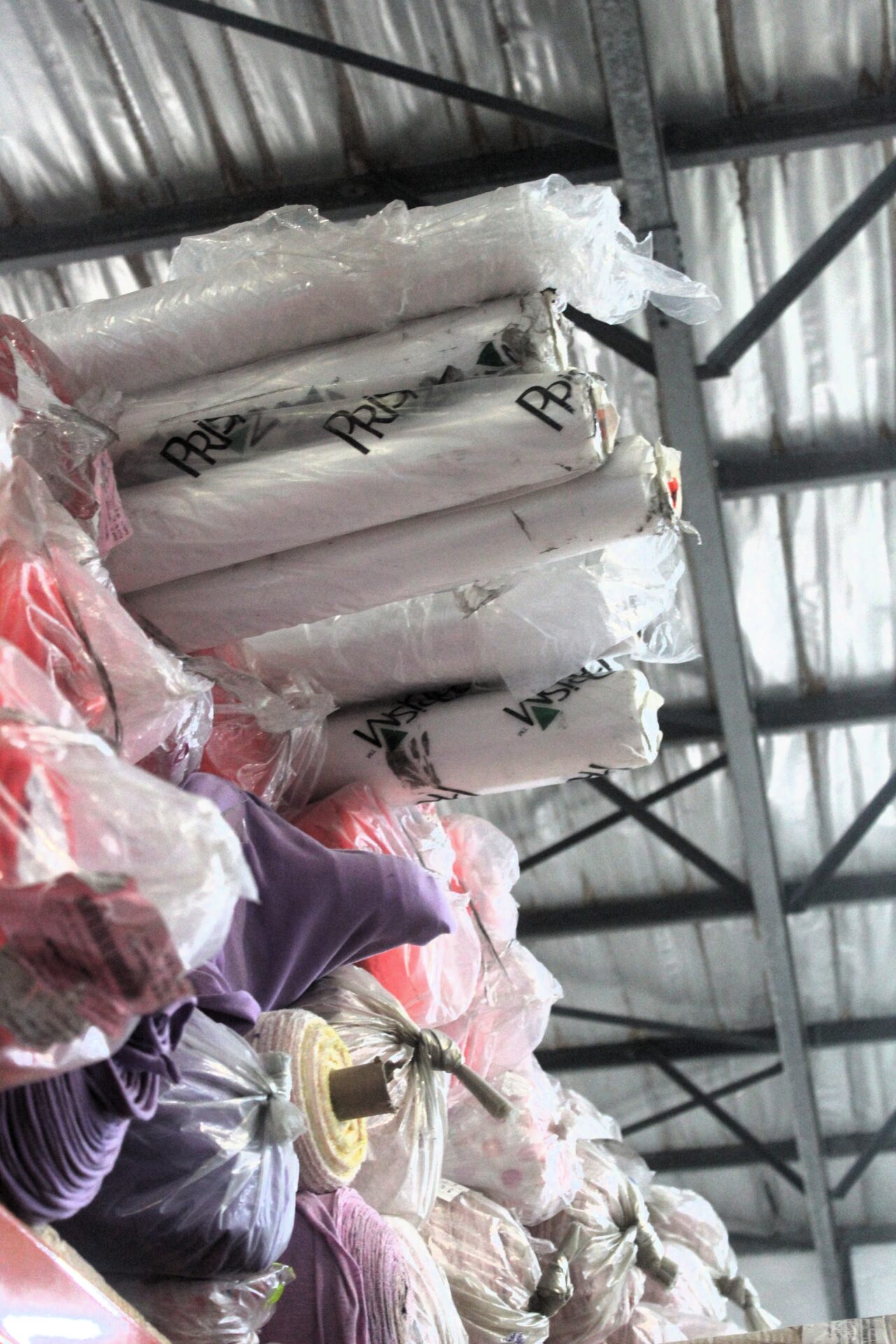
Since 2010, more than 22.9 million items have been diverted from landfill this way, and the small businesses built on them have generated more than half a billion rand in profit, money that never touched a corporate balance sheet, but went straight into rent, school fees, and groceries.
None of this happens on TCB’s ambition alone. Growing from a garage in Salt River to four branches with the capacity to train a thousand people at a time has meant buying property TCB could not fund independently, and that is where Inyosi’s partnership comes in. Inyosi has funded three of the four building acquisitions over fifteen years, most recently a new site in Midrand, opened alongside TCB’s fifteenth anniversary. These are the physical rooms where countless women have sat through their training, counselling, and business classes before they ever touched stock; proof that Inyosi’s support reaches beyond bricks and mortar and into the outcomes those bricks make possible.
Empower one woman properly, and she rarely keeps it to herself; she channels that independence directly back into the world around her, turning personal resilience into community strength. TCB’s model proves that the circular economy is far more than an environmental strategy to divert waste from landfills: it is a profoundly human mechanism for breaking generational poverty. But the ripple doesn’t start with the woman alone, it starts with the access TCB, and partners like Inyosi, give her: to training, to stock, to counselling, to a loan instead of a hand-out. That access is what multiplies. Just as twenty thousand mothers once reshaped the course of South African history in 1956, TCB’s programmes, and the entrepreneurs they shape are rewriting the country’s economic future today: one recycled garment, one new business, and one uplifted sister at a time.