
Predictions for the Next Decade of South African Business
There is a particular kind of resilience that lives in the bones of the South African small business owner. It is the resilience of someone who has learned to build with whatever tools are available, often despite systems that were never designed with them in mind.
For too long, the conversation around SMME financing in this country has been shaped by the language of exclusion: too risky, too informal, too small. But the next decade is going to tell a very different story. And at Inyosi Empowerment, we think it is one worth telling clearly, honestly, and without the usual spin.
Here is what we believe is coming and why it matters far more than most people currently realise.

The Death of the Traditional Credit Score (As We Know It)
Let us start with something that frustrates almost every entrepreneur: the credit score.
The traditional credit scoring model was built for a different era and, frankly, a different kind of person. It rewards those with formal employment histories, established collateral, and a predictable financial footprint. For SMMEs, particularly those operating in township economies, agricultural communities, or the informal sector, that model has been a wall, not a door.

In our own due diligence process, we have long understood that a thin credit file is rarely the full story. When we assess a business, we look beyond the numbers on paper, at the quality of the operator, the consistency of their trading history, the relationships they have built, and the resilience they have demonstrated. It is a more human form of credit assessment, and it has served us well across more than R1.5 billion in loans advanced to black-owned SMMEs since inception.
What we are now watching closely is how that instinct is being codified at scale through alternative credit scoring.
Over the next decade, we expect to see a meaningful shift toward data-driven creditworthiness assessments that look at the full picture of a business’s financial behaviour. Mobile money transaction histories. Consistent utility payments. Digital sales records from platforms like WhatsApp Business or Yoco sales. Even social proof – the volume and consistency of customer reviews, is beginning to factor into risk modelling elsewhere in the world, and South Africa’s fintech ecosystem is catching up faster than many expect.
This is already happening in East Africa, Southeast Asia, and parts of Latin America. The direction of travel is clear, and it is one we intend to move with as we continue to evolve how we assess creditworthiness for businesses that traditional lenders have overlooked.
What this means in practice is profound: a spaza shop owner in Soweto with three years of consistent transactions and a loyal customer base could, within five to seven years, access working capital on terms that are actually fair. Not ‘charitable fair’. There is an important difference.
That distinction between charity and genuine financial inclusion, sits at the heart of everything we do. The absence of a credit history is not the same as the absence of creditworthiness. It has simply been the absence of the right lens.
Green Energy Is Not a Luxury – It Is the Next Competitive Advantage
Load shedding changed South African business permanently. Not just operationally, but psychologically. Every SMME owner who sat through a Stage 6 outage with a full cold room, a printing deadline, or a queue of customers learned the same lesson: the grid is not a reliable business partner.
What has emerged from that pain, however, is something genuinely exciting: a growing appetite for energy independence among small businesses, and with it, a wave of green energy financing instruments that simply did not exist five years ago.
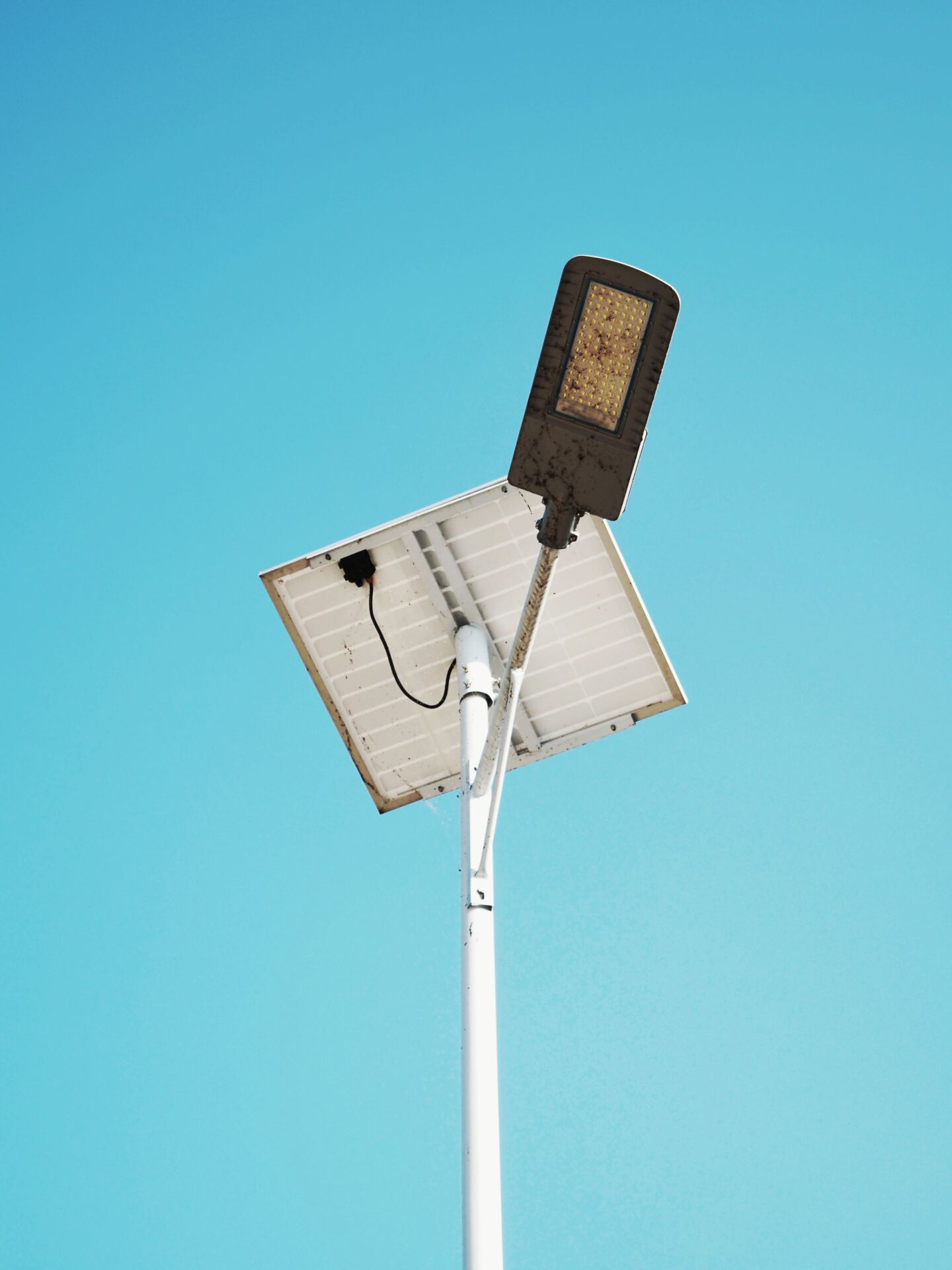
The next decade will see green energy funding become one of the most significant enablers of SMME growth in South Africa. Solar installations, battery backup systems, and solar water heating are not just cost-saving measures anymore, they are increasingly prerequisites for business continuity, and lenders are beginning to price that risk accordingly.
Development finance institutions, blended finance vehicles, and even commercial banks are under increasing pressure to direct capital toward green transitions. The International Finance Corporation, the DBSA, and a growing number of impact investors are structuring products specifically for small businesses that want to go green but cannot absorb the upfront capital cost.
Here is the prediction we will stand behind: within the next decade, access to affordable green energy financing will be one of the clearest differentiators between SMMEs that thrive and those that plateau. The businesses that act early, that invest in energy resilience now, will carry lower operating costs, attract more creditworthy supply chain relationships, and access preferential financing terms from institutions with ESG mandates.
This is not about being environmentally virtuous. It is about being strategically smart. The two happen to align, and that alignment is only going to deepen.

Digital Procurement Portals Are Rewriting the Rules of Who Gets Access
Government and corporate procurement have historically been one of the most significant, and most inaccessible markets for South African SMMEs. The barriers are well-documented: complex tender processes, long payment cycles, preferential treatment for established suppliers, and a paper trail that disadvantages smaller, newer businesses.
Digital procurement portals are beginning to change this in ways that matter.
Platforms that centralise supplier registration, streamline compliance documentation, and create transparent bidding environments are reducing the friction that has kept so many capable SMMEs on the outside looking in. More importantly, they are creating verifiable digital footprints, procurement histories that can be used to support financing applications, demonstrate business viability, and unlock higher tiers of opportunity.
The shift toward e-procurement is accelerating across both the public and private sectors. The National Treasury’s Integrated Financial Management System, alongside private sector initiatives from major corporations with supplier development mandates, is creating an infrastructure that, when it works as intended, genuinely levels playing fields.
For SMMEs, the implication is clear: your digital presence is becoming your most important business asset. Not just for marketing, but for financing, for procurement, and for the kind of institutional credibility that opens doors. Businesses that invest in clean digital records, consistent invoicing practices, and active participation in formal procurement ecosystems will be positioned to take advantage of financing products that are increasingly linked to verified transaction data.
We also expect to see embedded finance grow within these platforms, the ability to access invoice discounting, supply chain finance, or short-term working capital directly through procurement portals, removing the need for a separate, often intimidating, bank application process.

The Decade Ahead Belongs to Those Who Prepare Now
If there is one thing we have learned in our work with SMMEs across South Africa, it is that opportunity rarely arrives when you are ready for it. Preparation is not passive, it is itself a form of strategy.
The next decade will bring meaningful structural changes to how small businesses access capital, energy, and markets. Alternative credit models will reward businesses that have maintained good financial hygiene, even informally. Green energy funding will favour those who have started thinking about energy resilience. Digital procurement platforms will amplify businesses that have invested in their digital credibility.
None of this is guaranteed to happen smoothly or equitably. South Africa’s financing landscape still carries deep structural inequalities that policy, technology, and good intentions alone will not fix overnight. Access gaps will persist. Some platforms will overpromise and underdeliver. Some lenders will use new data in the same old ways.
But the direction is clear, and for businesses willing to engage with it on their own terms, not waiting for permission, not waiting for the perfect product, the opportunity is real.
At Inyosi Empowerment, we exist because we believe that South Africa’s small businesses are not a social responsibility footnote. They are the economy. They are the employment. They are the proof that this country’s potential is far from exhausted.
The future of SMME financing is not just a financial story. It is a human one. And the humans at the centre of it, building, adapting, persisting, deserve systems and partners that are finally worthy of them.